Functionality and Design

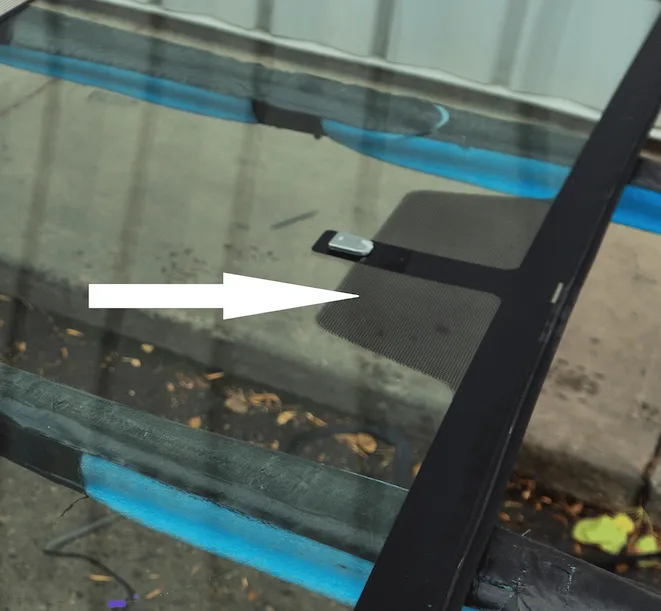
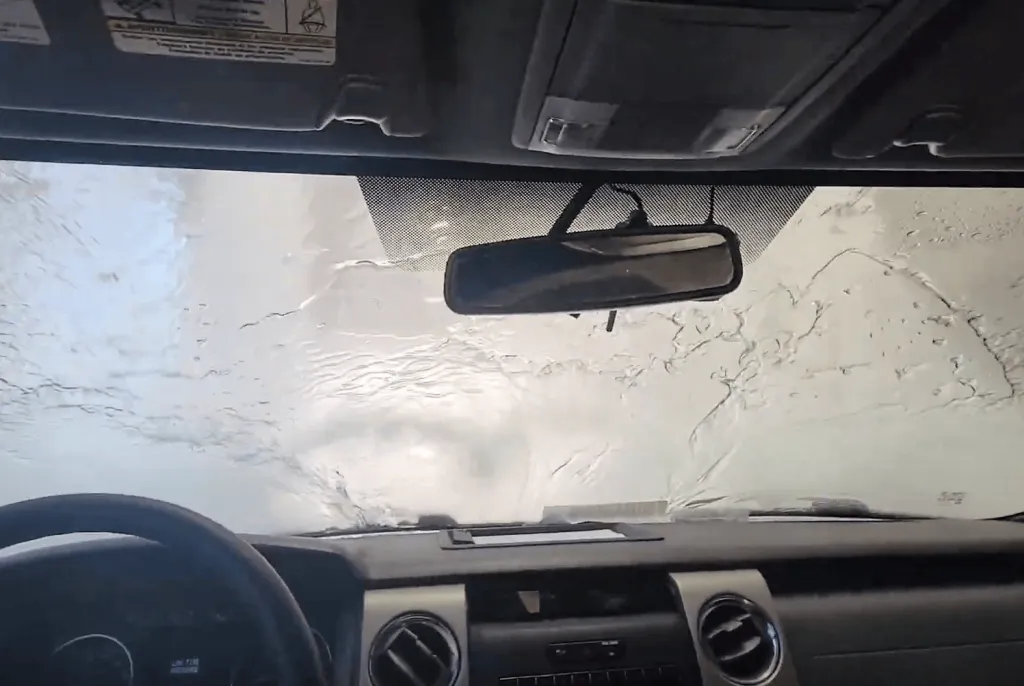
The third visor (3rd visor) is typically created using a dot-matrix pattern of black ceramic frit. This pattern not only serves an aesthetic purpose but also plays a crucial role in diffusing sunlight. The density of the dots gradually decreases from the center outward, allowing for a smooth transition between the shaded and clear areas of the windshield.

Interior view of a vehicle having it's windshield cleaned, with the third visor visible behind the rear view mirror

Why Manufacturers Use Ceramic Frit

Ceramic frit isn’t only beneficial for managing glare and improving driver comfort; it also offers crucial practical benefits during windshield production and installation. The ceramic frit band around the windshield perimeter aids in protecting the adhesive used to secure the windshield in place from UV degradation. The same ceramic material used for the third visor ensures consistency in windshield manufacturing and provides a smoother overall surface for adhesives, ultimately extending the windshield’s longevity.

Windshield replacement about to be installed, with a white arrow indicating the location of the third visor

Common Misconceptions

It’s important to distinguish the third visor from the shade band. While both features aim to reduce sunlight penetration, they differ in design and coverage.

1

Third Visor

A localized shading behind the rearview mirror, targeting the gap between sun visors.

2

Shade Band

A tinted strip that spans the entire top width of the windshield, providing broader sun protection.

Due to their similarities, the third visor is sometimes incorrectly referred to as the “third visor band,” leading to confusion between the two features. A simple way for drivers to identify their windshield feature is by checking the extent of shading: a third visor is limited to the immediate area behind the rearview mirror, whereas a shade band covers the entire top width of the windshield.

Importance in Windshield Replacement

When replacing a windshield, it’s a good idea to ensure that the new glass has the same optional features that your original windshield had, including elements like the third visor.

Not all windshields are the same! Even a vehicle of the same make, model, and year will usually have different windshields available. They vary based on the options created by the vehicle manufacturer. Some of these options are critical – meaning they must be kept consistent in a replacement (like rain sensors or safety systems). However, other features (like the third visor) are “nice to haves” and may not be on a standard replacement even if the windshield is perfectly suitable for your vehicle otherwise. It never hurts to ask and we’re happy to confirm the features of your window!

While the third visor isn’t one of the ‘critical’ features that must be kept consistent when replacing a windshield, it may be one you enjoy. At Windshield Surgeons Auto Glass we understand that even subtle features like the third visor play a significant role in driver comfort and visibility. We want you to be perfectly satisfied with your service every time you visit!

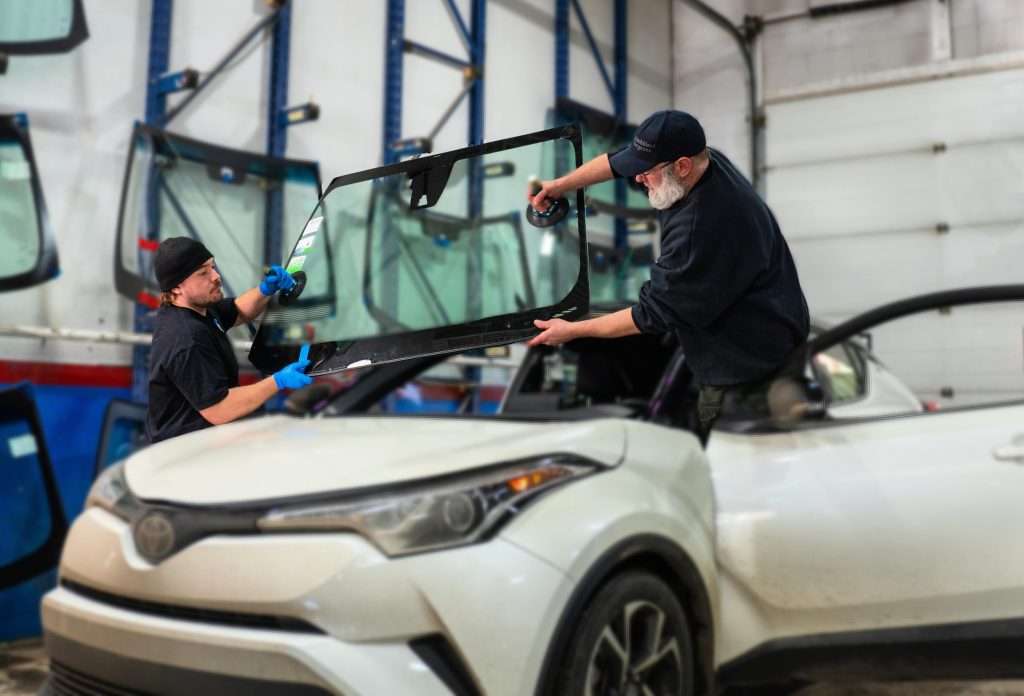
Two Windshield Surgeons technicians maneuvering a windshield replacement into place

Get an Accurate Quote

Windshield Surgeons Auto Glass offers a convenient and accurate free online quote tool. It is designed to get you a quote immediately and without delay, providing you with a precise and comprehensive understanding of what services cost. You can even schedule your appointment too.