
What is a Shade Band?

A windshield shade band is a specialized strip of tinted glass that runs horizontally along the top edge of your vehicle’s windshield. Unlike standard window tint, this band is specifically designed to filter out sunlight and reduce glare in the isolated area at the top of the glass. This is especially helpful during sunrise and sunset hours when the sun is positioned low on the horizon. Shade bands typically measure between 4 to 6 inches in height, providing adequate coverage without obstructing your overall field of view.
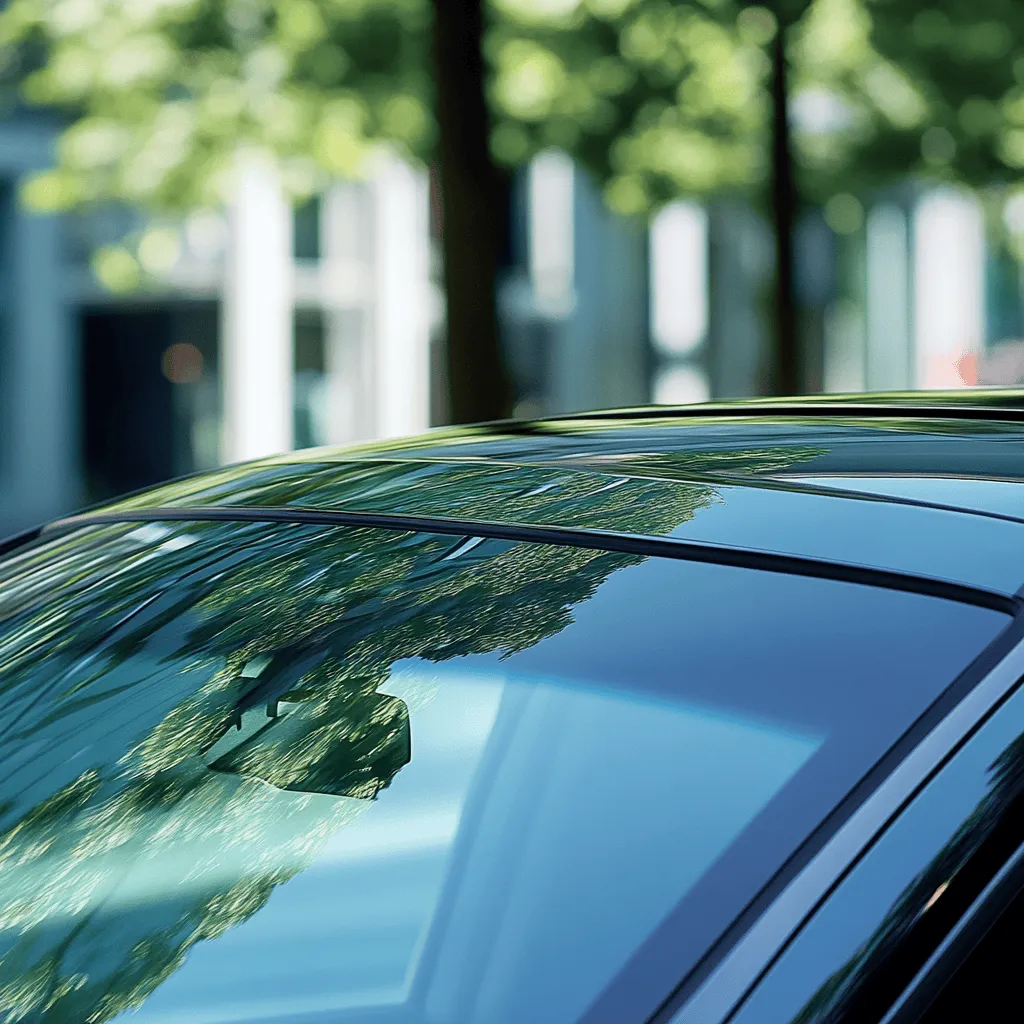
Close-up of the top portion of a windshield, showing a dark shade band along the top edge

Why Vehicles Feature Shade Bands

The primary purpose of a windshield shade band is glare reduction. Driving conditions that involve direct sunlight can significantly impair visibility and cause discomfort to the driver’s eyes. The shaded area acts as built-in sunglasses for your windshield, providing a smoother and safer driving experience by minimizing sun glare that directly hits the driver’s line of sight.

Moreover, shade bands help reduce UV and other light exposure inside your vehicle. Continuous exposure to ultraviolet rays can degrade interior components, such as dashboards, upholstery, and electronic screens, accelerating their wear and reducing their lifespan.

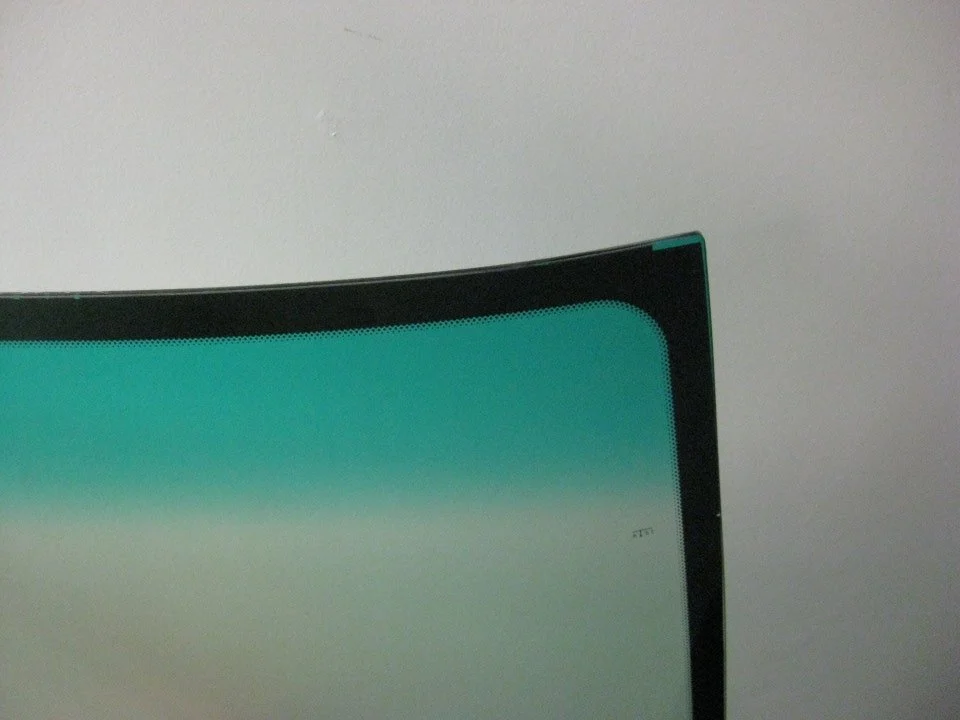
Close-up of a windshield corner showing a green-tinted shade band at the top.

Common Colors and Styles

Shade bands commonly come in subtle colors like green, blue, or dark grey. The most common are blue shade bands and green shade bands. These colors are specifically chosen due to their effective glare-reduction properties without significantly altering the driver’s color perception or the aesthetics of the vehicle. Most shade bands feature a gradient tint, which transitions smoothly from darker at the top edge to clear toward the bottom, blending seamlessly into the windshield.

Head-on view of a vehicles windshield, with a dark shade band visible along the top edge

Shade Bands vs. Third Visors

It’s important to distinguish a shade band from the third visor, another common windshield feature. While both aim to reduce glare, they differ in design and application:

1

Third Visor

Typically, a smaller, dark-speckled area positioned directly behind or around the rearview mirror to specifically reduce glare from directly ahead.

2

Shade Band

A continuous tint strip running across the entire top edge of the windshield, providing broader protection against glare coming from above.

Replacement Considerations

When replacing your windshield, it doesn’t hurt to double check what optional features are on the glass you’ve been quoted. Shade bands are non-critical and may not be the “norm” for your vehicle model year even if your vehicle does have one. If your manufacturer made most of the vehicles of your model year without it, then it’s likely that the common replacements available won’t either. Sometimes both are in stock as options too!
Don’t hesitate to ask. Here at Windshield Surgeons we want your replacement to be exactly what you’re looking for. We provide high-quality Original Equipment Equivalent (OEE) glass that consistently meets or exceeds manufacturer standards. To get a quote right now without delay you can use our free quote tool.

Close-up of a blue tinted shade band along the top edge of a car's windshield

Conclusion

Having a shade band in your windshield enhances comfort, safety, and the overall driving experience. By reducing sun glare and protecting vehicle interiors from harmful UV rays, shade bands represent a helpful, yet often overlooked, automotive feature. Understanding this small yet impactful detail helps you make informed choices when repairing or replacing your windshield.