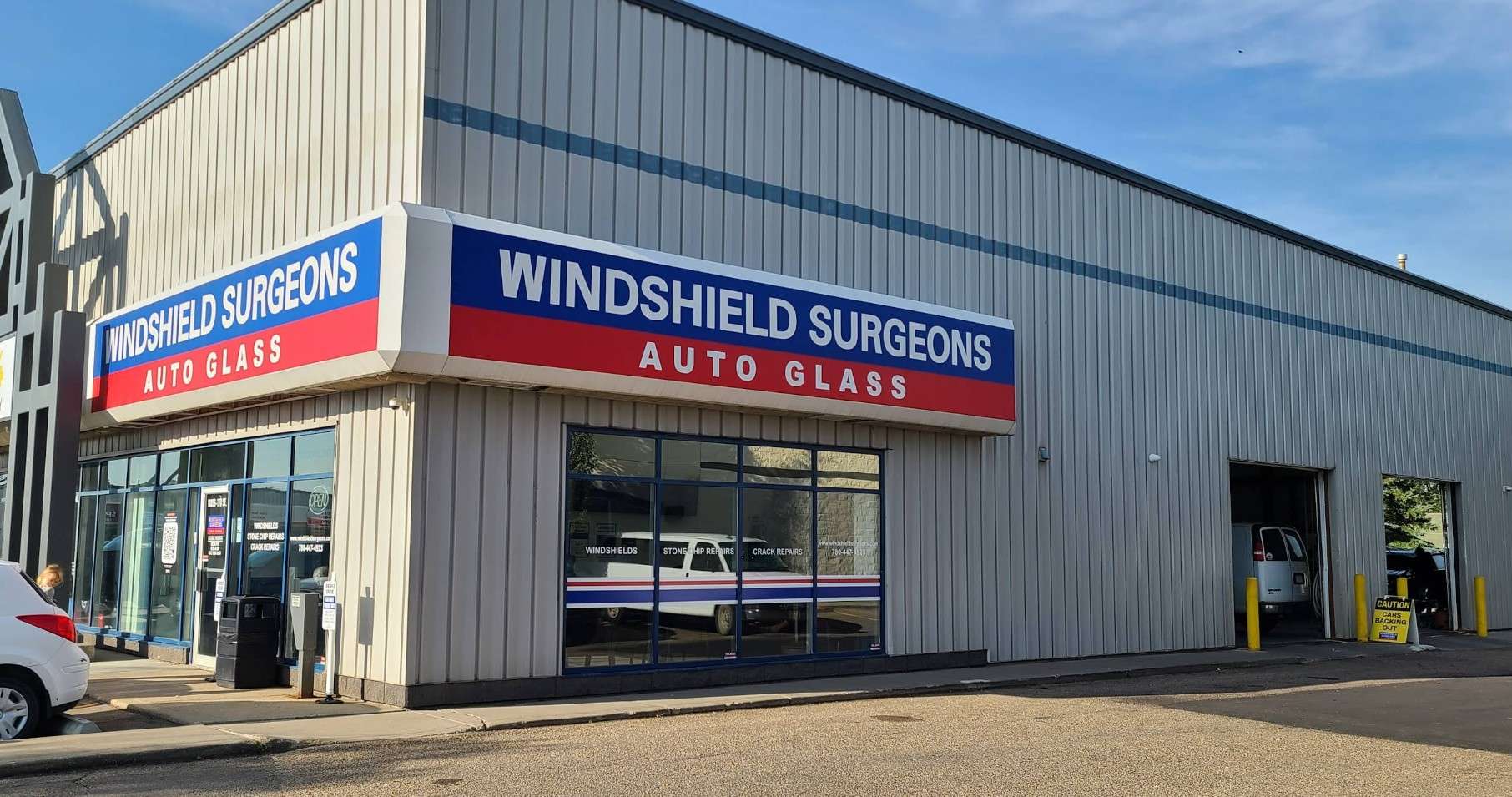

Common Repairs That Require ADAS Calibration
(Other Than Windshields)
Below, we’ve outlined several types of automotive services that are commonly indicated as affecting ADAS sensor alignment. This is by no means an exhaustive list, as each vehicle make and model may have its own unique calibration requirements. To know for certain whether a specific repair or service will require ADAS calibration, always consult your vehicle’s owner’s manual or manufacturer service documentation.
Wheel Alignment and Suspension Repairs
Wheel alignments and suspension adjustments may significantly alter your vehicle’s geometry and ride height. Even subtle changes can shift the angles at which forward-facing cameras or radar sensors operate, which may throw off the vehicle’s ability to accurately interpret lane markings or maintain proper following distance. Major vehicle manufacturers, including Honda, Toyota, and Ford, explicitly recommend ADAS recalibration following these repairs. Toyota’s service documentation clearly states recalibration is required after suspension work or alignment adjustments to ensure safety features function correctly and prevent false readings or delayed responses.
Bumper and Body Panel Repairs
Modern vehicles commonly embed radar sensors and ultrasonic sensors in bumpers and body panels. These sensors support features that detect obstacles directly in front or behind the vehicle. Repair guidelines from manufacturers like General Motors and Nissan’s collision indicate that any repair or replacement of bumpers and body panels necessitates ADAS sensor recalibration. Failing to recalibrate after these repairs could lead to inaccurate sensor readings for ADAS features like automatic emergency braking, parking assistance, and rear cross-traffic alerts
Side Mirror and Door Repairs/Replacements
Side mirrors and doors increasingly integrate sensors for blind-spot detection and lane-change assistance. Any repair or replacement involving these components can alter sensor angles and functionality. Industry standards and vehicle manufacturers’ service bulletins consistently emphasize recalibration after side mirror or door repairs. This practice ensures blind-spot monitoring and lane-change warnings remain accurate and dependable.
Roof Repairs and Camera Mounting Area Repairs
Roof-mounted sensors and cameras are frequently used for lane-keeping assistance and traffic sign recognition. Even minor roof repairs or damage around camera mounting areas can misalign sensors, compromising safety system performance. The Auto Glass Safety Council (AGSC) strongly recommends professional recalibration after roof repairs or adjustments involving camera mounting areas to maintain accurate lane-departure warnings and other camera-based safety features.
Aftermarket Modifications
Common automotive modifications, such as changing tire sizes, installing lift kits, or lowering suspension, also necessitate recalibration. These changes impact the vehicle’s geometry and sensor height significantly enough to affect ADAS accuracy. According to automotive industry repair standards, any modification altering a vehicle’s original geometry requires immediate sensor recalibration to preserve safety system performance.
A Word of Warning on Aftermarket Modifications
A word of caution for alterations like lift kits: if a modification brings the vehicle higher than its tolerable deviation, it may become impossible to calibrate, or for safety systems to operate at all. Unfortunately, there have been cases where people have installed these modifications at great expense, before finding out afterwards that it doesn’t work with their ADAS systems. Even dealerships have provided these mods without realizing the impact it can have, or the problem they’re creating for the vehicle owner. We’ve seen multiple instances where mods needed to be removed to return the vehicle to full functionality. Modern safety systems make some modifications of the vehicle impossible without consequences.
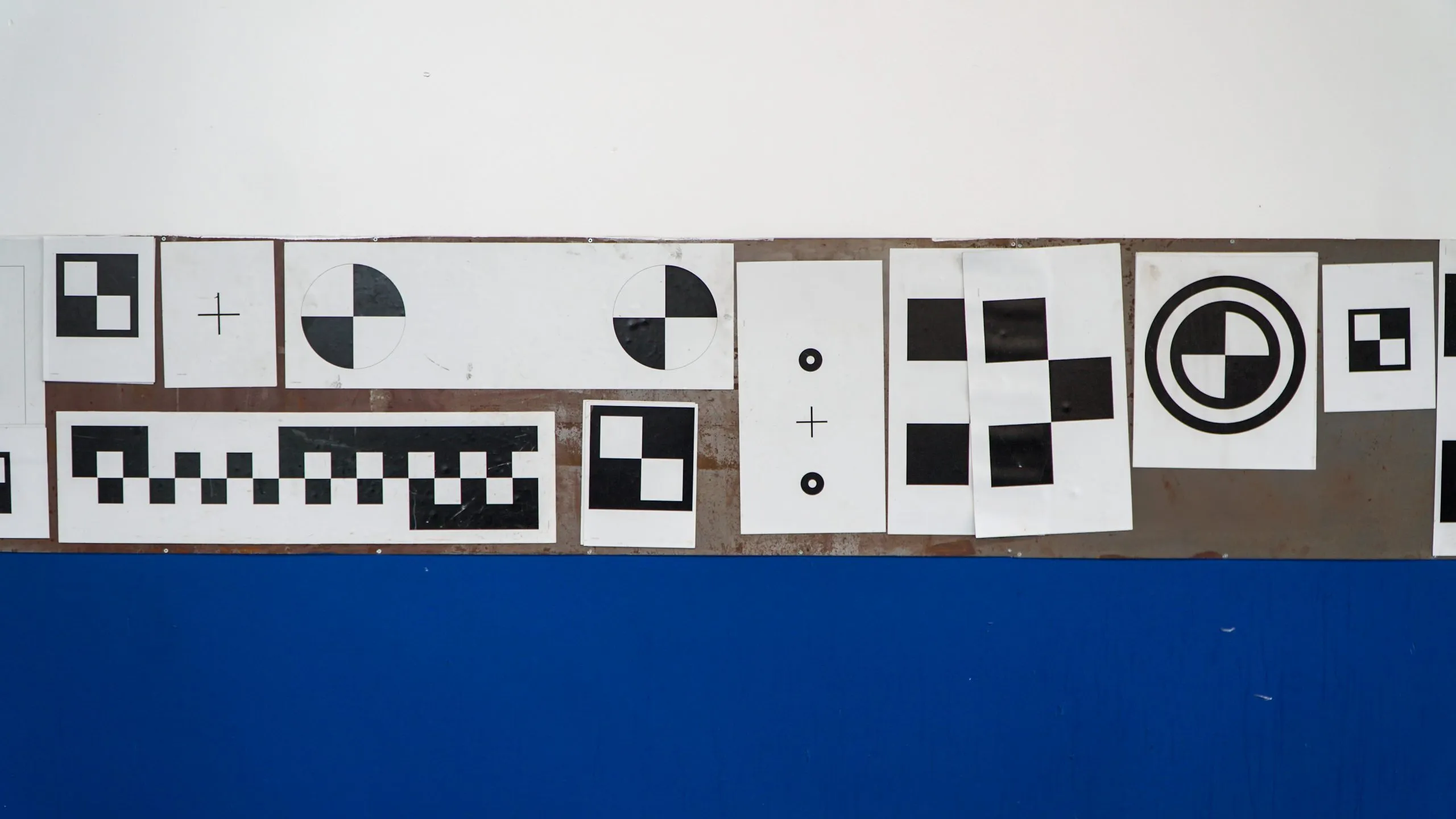
Risks of Ignoring ADAS Calibration After Repairs
The dangers of neglecting ADAS calibration after repairs extend far beyond potential system malfunction. When sensors and cameras operate inaccurately, crucial safety features become unreliable, directly increasing the risk of collisions. Research from the AAA Foundation for Traffic Safety highlights that improperly calibrated ADAS can dramatically reduce the effectiveness of collision avoidance systems, significantly raising the likelihood of accidents. Additionally, neglecting calibration can affect liability and vehicle warranty coverage. Many insurance providers and vehicle manufacturers explicitly require proof of proper ADAS calibration following repairs to maintain coverage and warranty validity.
Frequently Asked Questions
How should I prepare my vehicle for ADAS calibration?
Before bringing your vehicle in for ADAS calibration, there are a few steps you can take to improve the efficiency and performance of the process. First, ensure your tires are properly inflated so that your vehicle’s ride height is at its nominal level. Next, make sure your fuel tank is at or near a normal level. Your vehicle may need to be taken for a short drive to perform a “dynamic” calibration. Finally, remove any excess cargo or large accessories from the vehicle. Not only does this make the vehicle easier to work in and around, but some calibration procedures also assume the vehicle is at curb weight.
How can I determine if my repair requires ADAS calibration?
Typically, vehicle manuals and repair documentation from the manufacturer outline scenarios requiring recalibration. If you’re unsure whether calibration is necessary, consider contacting a qualified automotive expert that specializes in your make and model of vehicle, or has extensive ADAS calibration experience.
Can I drive my vehicle before it’s been recalibrated?
While uncalibrated ADAS systems do not strictly prevent the operation of a vehicle, driving without recalibrating your ADAS features after a repair can seriously compromise safety. It’s unsafe to delay calibration, as sensor misalignment isn’t always obvious and could cause serious problems without warning. For example, you wouldn’t want your automatic braking system to suddenly apply the brakes in the middle of traffic because of a false positive sensor reading. For this reason, it’s important to have calibration performed as soon as possible after any relevant repairs have occurred.
How long does an ADAS calibration take?
The time required depends on the type of calibration (static vs dynamic) and the vehicle model. Dynamic calibrations can occasionally take longer as they require the vehicle to be driven around under certain conditions to complete the process, whereas static calibrations are performed while stationary. At Windshield Surgeons, we typically quote around one hour for calibration, though it can often be completed in less time. Thankfully, vehicles can return to regular use immediately following a successful calibration.
How do I know if calibration was done correctly?
Reputable service providers use specialized diagnostic tools to perform calibration. These tools typically interface with the vehicle’s onboard diagnostics (OBD) port, allowing technicians to detect the condition and status of various ADAS components, system fault codes, and sensor calibration states. At Windshield Surgeons, we provide every calibration customer with full documentation of the process to confirm success.
Is ADAS Calibration Covered by Insurance?
Insurance coverage for ADAS calibration often depends on the nature of the repair and your specific policy. If the calibration is necessitated by a covered event, such as a collision, your insurance may cover the cost as part of the overall repair expenses. However, if calibration is required due to routine maintenance or non-covered repairs, it might not be included. Review your insurance policy details or consult with your insurance provider to understand the extent of your coverage.
Taking Action
If your vehicle has recently undergone repairs that may have impacted its structure, alignment, or sensor positioning, there’s a real possibility your ADAS features need recalibration. These systems are designed to protect you, but only when they function exactly as intended. Calibration is not something to guess at or delay.
If you’re unsure whether your repair triggered the need for recalibration, now is the time to find out. Refer to your vehicle’s documentation or reach out to an expert. At Windshield Surgeons Auto Glass, our trained calibration specialists use advanced diagnostic tools to evaluate and recalibrate ADAS-equipped vehicles across Alberta. Whether you’ve had an alignment, bodywork, or other repairs done, we can help ensure your safety systems are properly restored.
Don’t let your vehicle’s important ADAS safety features be neglected. Contact Windshield Surgeons today to schedule a professional ADAS calibration and drive with confidence knowing your whole vehicle is performing at its best!