
There are two main types of adaptive headlight systems commonly found in modern vehicles:

  1. Curve-Adaptive Headlights – These headlights pivot side to side based on steering input or yaw sensors, illuminating the direction you’re turning. This is especially useful on winding roads or during nighttime lane changes.
  2. Adaptive Driving Beams (ADB) – ADB systems take things a step further by dynamically controlling the high beam output. Instead of simply switching between high and low beams, the system uses cameras and sensors to detect oncoming vehicles and automatically dims specific sections of the light pattern to avoid blinding others while still maintaining a broad field of vision for the driver. Also sometimes known as Adaptive Beam Assist or High-Beam Assist.

In both systems, the aim is to maximize road visibility without compromising the safety of other motorists. These systems rely on a network of sensors, actuators, and software to continuously adjust lighting patterns in real-time.
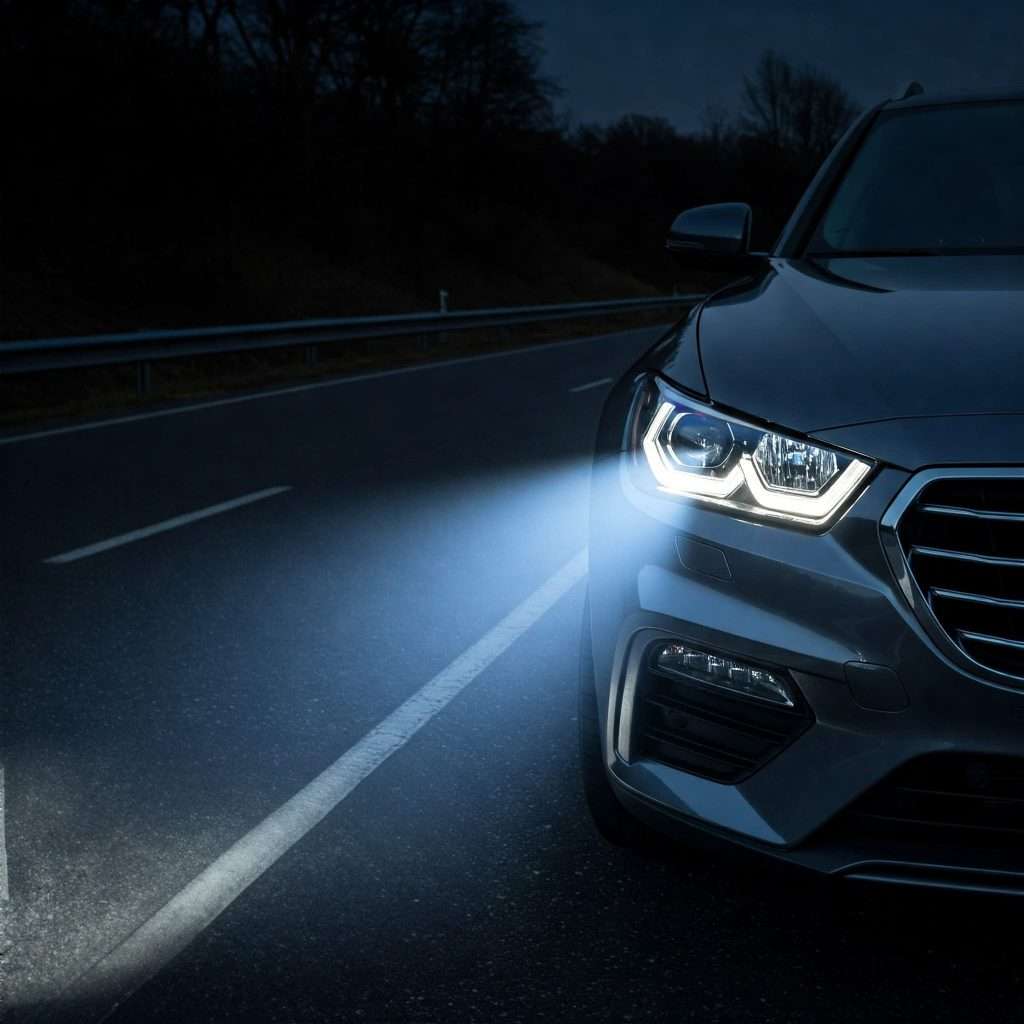
Close-up on a vehicle's adaptive headlights, with visible beams being projected onto a dark roadway

How Adaptive Headlights Work

Adaptive headlights combine data from various sensors and cameras to adjust lighting in real time. Vehicle speed, steering angle, and road curvature help determine when the system should pivot the beams for better visibility. Front-facing cameras detect other vehicles, prompting selective dimming of the beam to reduce glare.

Some systems also modify the beam height based on passenger or cargo weight and may use GPS or navigation data to anticipate upcoming curves or hills. The adjustments are typically performed using matrix LED arrays or mechanical components that reshape the beam pattern instantly.

These systems often depend on forward-facing cameras mounted to or near the windshield. If the glass is damaged or replaced improperly, the alignment of these sensors can be thrown off—compromising the accuracy of the entire headlight system. That’s why proper glass repair and sensor recalibration is so important.

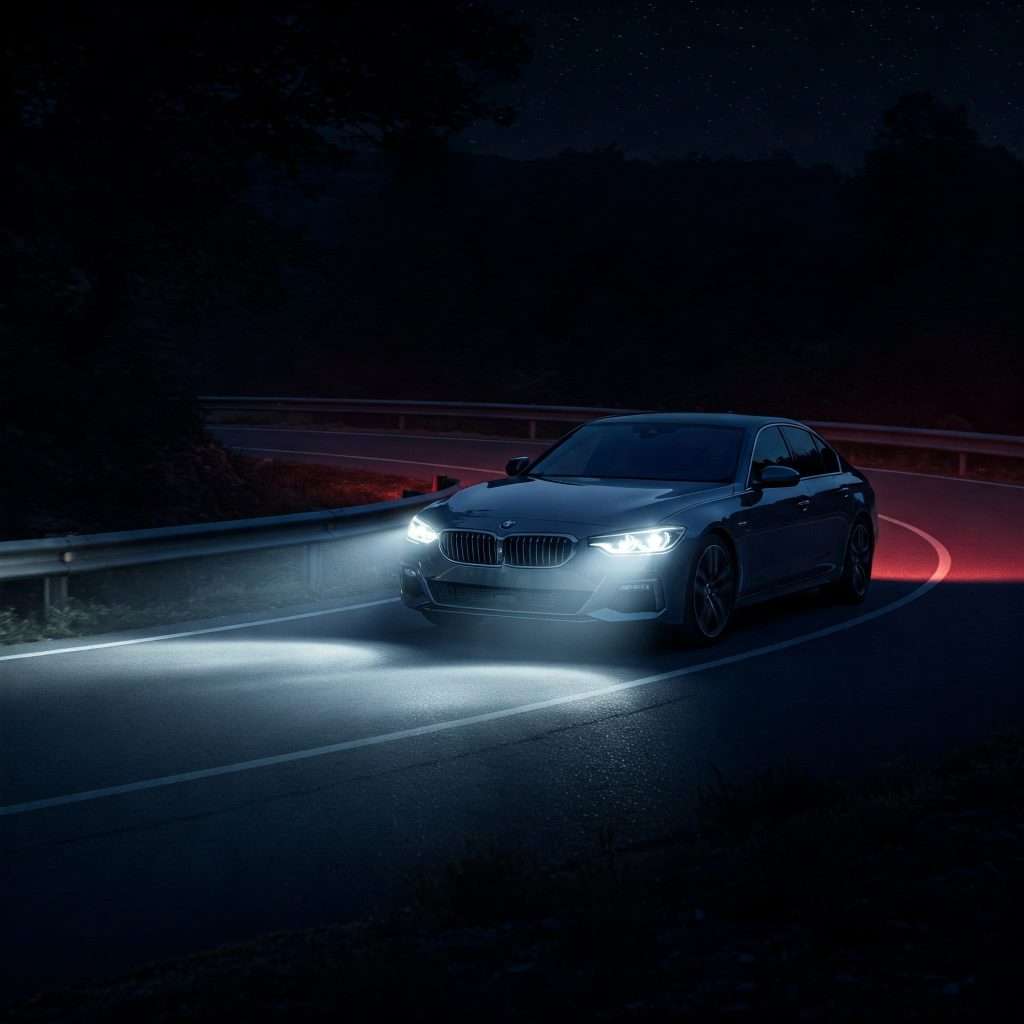
Sedan with adaptive headlights in use at night on a rural roadway, with beams visible

Benefits of Adaptive Headlight Systems


1

Improved Visibility Around Corners

Headlights pivot as you steer, lighting your path earlier and helping you respond faster on winding roads.

2

Safer Night Driving

High beams stay active without blinding others, offering clear vision and greater safety after dark.

3

Reduced Driver Fatigue

Better lighting reduces eye strain and boosts comfort on long nighttime drives.

4

Intelligent Automation

Once activated, the system adjusts lighting automatically, so you can focus on driving.

5

Faster Reaction Times

Extended visibility helps you spot and avoid hazards sooner, giving you more time to react.Being able to see farther ahead or around corners can give drivers precious extra seconds to respond to hazards, pedestrians, or animals unexpectedly entering the roadway.

Important Considerations

While adaptive headlights offer a clear safety advantage, there are some considerations to keep in mind:

  • Cost and Availability: These systems are usually available on mid- to high-end trims or as part of advanced safety packages. Replacement or repair can be very costly due to the complexity of components involved. Some replacement headlights are tens of thousands of dollars.
  • Regulatory Approval: In Canada, Transport Canada has authorized the use of Adaptive Driving Beams (ADB), provided they meet specific performance standards. Recent changes to regulations have opened the door for broader adoption of this technology.
  • Sensor Alignment and Calibration: Although not always tied to the windshield, some systems may rely on forward-facing cameras that require calibration after windshield replacement or vehicle repairs.
  • Maintenance and Durability: Like any advanced system, adaptive headlights are subject to wear and environmental stress. Dirty sensors or misaligned components can reduce effectiveness, so regular maintenance is essential.
Sedan with adaptive headlights in use at night on a rural roadway, with beams visible

The History of Adaptive Headlights

Adaptive headlights have evolved significantly since their earliest implementations. In 1948, the Tucker 48 featured a central third headlight that turned with the steering wheel, providing better illumination around corners. Citroën advanced this concept in 1955 with the DS model, and by 1967, the DS offered directional headlights that pivoted with the steering to improve visibility on curved roads.

Modern adaptive headlights took shape in the early 2000s, led by luxury brands like BMW and Audi. These systems used sensors and motors to actively adjust headlight beams in real-time. In 2004, the Porsche Cayenne became one of the first vehicles in North America to offer directionally adaptive headlights. By 2014, they were standard on 14% of vehicle models and optional on 22%, underscoring their growing role in road safety.

Close-up on a vehicle's adaptive headlights, with visible beams being projected onto a dark roadway

Real-World Impact and Takeaways

Adaptive headlights are a shining example of how intelligent systems can enhance traditional driving tasks. By improving visibility, reducing glare, and adapting to changing conditions, these technologies make nighttime driving safer for everyone. Whether you’re navigating tight corners in a residential neighborhood or cruising down a dark highway, adaptive headlights help you see what matters—without blinding others in the process.

Because many of these systems depend on windshield-mounted or adjacent camera sensors, it’s essential that any glass service—especially windshield replacements—are handled by experienced technicians who understand the relationship between glass and advanced driver assistance systems.

At Windshield Surgeons Auto Glass, we’ve serviced over 2 million vehicles across Alberta with precision and care. From expert windshield replacement to ADAS sensor calibration, our team ensures that your vehicle’s safety features—like adaptive headlights—continue working as intended. If your glass has been damaged or if you suspect a sensor misalignment, contact us today to restore both your visibility and peace of mind.

Sedan with adaptive headlights in use at night on a rural roadway, with beams visible